
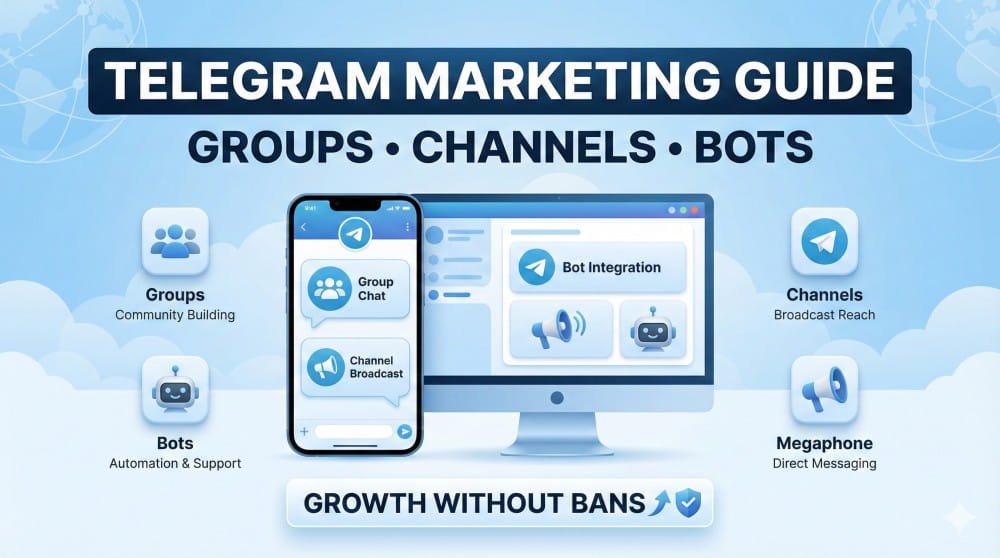
Telegram is a cloud-based messaging platform that has grown far beyond simple one-to-one communication. Today, it is widely used for communities, content distribution, business communication, and automation-driven outreach.
Unlike many traditional messaging apps, Telegram is designed to support large groups, public channels, and automation tools—making it especially useful for organizations, creators, and teams that need scalable communication.
This guide explains what Telegram is, how it works, and how businesses and communities use it effectively.
What Is Telegram?
Telegram is a messaging application that allows users to send messages, media files, and documents across devices using cloud-based synchronization. Messages can be accessed from mobile, desktop, or web without being tied to a single device.
It supports private chats, group conversations, and broadcast-style channels, which makes it suitable for both personal and large-scale communication.
Telegram is commonly used for:
- Community discussions
- Content broadcasting
- Business updates
- Automation and bots
- Group-based collaboration
How Telegram Works
Telegram operates on a cloud-based architecture. This means messages, media, and data are stored securely on Telegram servers and synced across devices.
Key characteristics include:
- Fast message delivery
- Multi-device access
- Support for large groups and channels
- Open APIs for bots and automation
Because of this structure, Telegram is often used where flexibility, reach, and scalability are important.
Telegram Groups: Community-Focused Communication
Telegram groups are designed for interactive communication between members. Groups can be public or private and can support a large number of participants.
Common Uses of Telegram Groups
- Community discussions
- Interest-based groups
- Internal team communication
- Educational groups
- Support communities
As groups grow, managing members, conversations, and outreach manually becomes challenging. This is why many teams rely on telegram group management and automation tools like TGTools to maintain structured communication and workflow control.
Telegram Channels: Broadcast and Content Distribution
Telegram channels are designed for one-to-many communication. Only admins can post messages, while subscribers receive updates without participating in conversations.
Common Uses of Telegram Channels
- News and announcements
- Content publishing
- Brand updates
- Educational content
- Promotional broadcasts
For teams managing multiple channels or running frequent campaigns, using a telegram bulk messaging and automation tool such as TGTools helps streamline message delivery and scheduling.
Telegram Groups vs Telegram Channels
While both are core features, they serve different purposes:
- Telegram groups focus on interaction and discussion
- Telegram channels focus on broadcasting and reach
Many organizations use both together—channels for announcements and groups for engagement. Automation platforms like TGTools for Telegram marketing are commonly used to support this combined workflow.
Telegram Bots: Automation and Productivity
Telegram supports bots—automated programs that can perform tasks inside chats, groups, or channels.
Bots are commonly used for:
- Automated replies
- Data collection
- Notifications and alerts
- Workflow automation
- Community management
In addition to bots, businesses often use telegram marketing automation software such as TGTools to manage bulk messaging, contact organization, and campaign workflows from a centralized interface.
Telegram for Businesses and Marketing Teams
Telegram has become increasingly popular among businesses because it supports large audiences without heavy restrictions.
Businesses use Telegram for:
- Customer communication
- Community building
- Product updates
- Lead nurturing
- Campaign coordination
Marketing teams and agencies frequently combine Telegram with telegram automation tools like TGTools to manage outreach more efficiently as communication volume grows.
Telegram Marketing and Automation
As Telegram adoption grows, many teams move beyond manual messaging and adopt structured workflows.
Telegram marketing automation typically includes:
- Bulk messaging to users or groups
- Contact and lead organization
- Group member management
- Scheduled communication
- Automation through bots or software
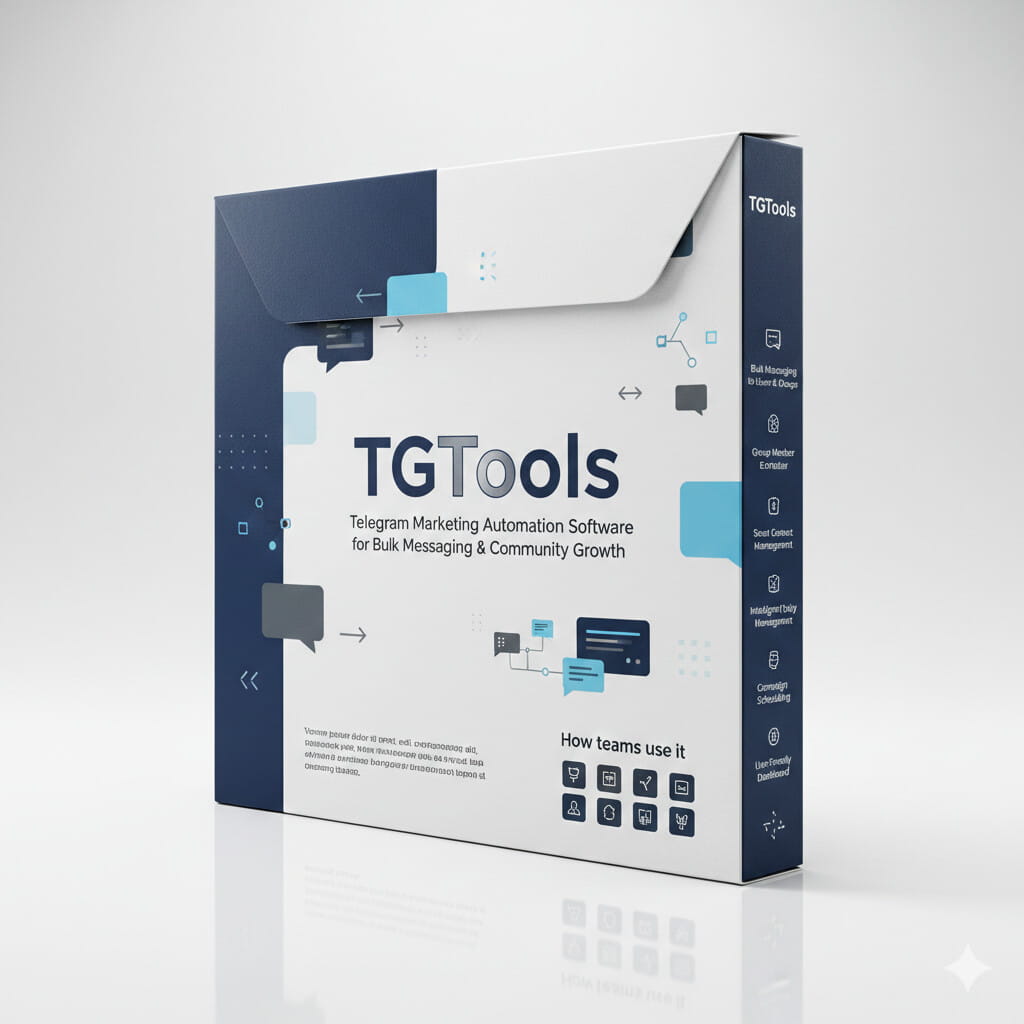
Instead of handling these tasks manually, professional teams often rely on telegram marketing automation software (TGTools) to support consistent and scalable communication.
How Teams Manage Telegram at Scale
Managing Telegram manually becomes difficult as group size and message volume increase. This is why many agencies and growth teams use telegram bulk messaging tools for businesses like TGTools to maintain consistency, delivery control, and visibility across campaigns.
Automation does not replace human communication—it supports workflow efficiency, especially for repetitive or large-scale tasks.
Telegram Safety and Responsible Use
Telegram provides flexibility, but responsible usage is still important. Communities and businesses should:
- Avoid spam-like behavior
- Respect user preferences
- Maintain relevant content
- Use automation carefully
Using professional Telegram automation tools such as TGTools helps teams apply structured rules and avoid unmanaged messaging practices.
When Telegram Makes Sense as a Communication Channel
Telegram is especially effective when:
- Large communities are involved
- Broadcast communication is needed
- Automation plays a role
- Multi-device access is required
- Cross-border communication is common
For many organizations, Telegram complements other channels such as WhatsApp, email, or social media rather than replacing them entirely.
Final Thoughts
Telegram is more than a messaging app—it is a flexible communication platform used by communities, creators, and businesses worldwide. Its support for groups, channels, and automation makes it suitable for scalable communication without heavy infrastructure.
Teams that understand how Telegram works—and apply it responsibly with tools like TGTools Telegram marketing software—can build strong communities, maintain consistent outreach, and manage communication efficiently over time.