
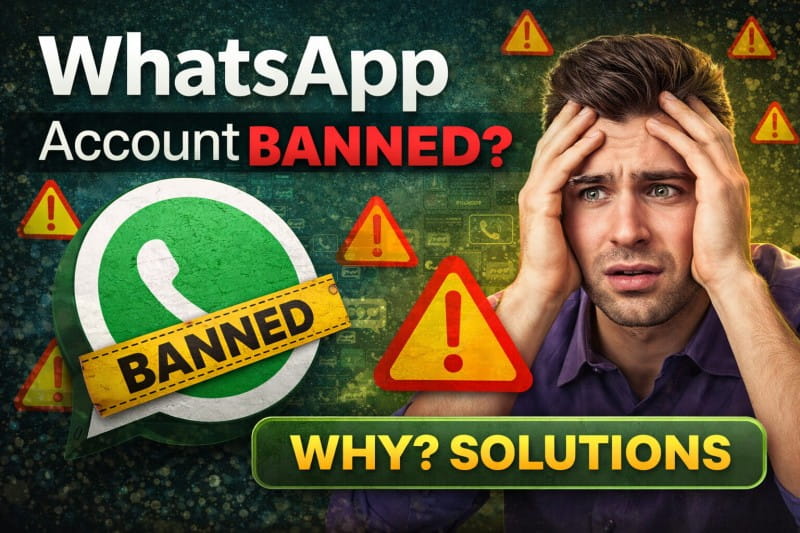
WhatsApp marketing is extremely effective—but only when it’s done correctly. Many users suddenly face issues like whatsapp banned, restricted messaging, or even permanent account suspension without clear warnings. If you’re asking “why is my WhatsApp banned?”, you’re not alone.
In this guide, we’ll explain why WhatsApp bans accounts, how to handle a WhatsApp banned appeal, and how to use safe marketing practices with professional tools to prevent getting banned again and again.
Churn & Retention Analyzer
Why Is My WhatsApp Banned?
A WhatsApp banned account usually happens when user behavior violates WhatsApp’s policies. Common reasons include:
- Sending bulk messages to unknown or non-opt-in contacts
- High complaint or block rates
- Repeated promotional messages in a short time
- Using unsafe or unverified automation tools
- Joining or adding users to groups without consent
If WhatsApp detects repeated violations, your number may be flagged, restricted, or permanently disabled.
WhatsApp Banned Again and Again? Here’s Why
If your WhatsApp banned again and again, it often means the underlying issue was never fixed. Many users recover their account once, then repeat the same unsafe messaging behavior.
This is why simply searching for a WhatsApp account banned solution without improving your workflow rarely works long-term.
How to Submit a WhatsApp Banned Appeal
When facing a ban, your first step is submitting a WhatsApp banned account appeal.
You can:
- Use the in-app WhatsApp banned appeal option
- Send a WhatsApp banned appeal message explaining your use case clearly
- Contact the official WhatsApp email address for banned number (from WhatsApp support)
A proper WhatsApp banned account recovery depends on how well you explain your situation and whether the violation was minor or repeated.
WhatsApp Banned Application vs Permanent Ban
A WhatsApp banned application status usually means a temporary restriction. In many cases, users successfully regain access through a WhatsApp banned account recovery link or support review.
However, repeated abuse can lead to permanent bans, where recovery becomes very difficult or impossible.
The Right Way to Prevent WhatsApp Bans
The best strategy is prevention. Businesses and marketers should focus on safe, structured, and compliant communication.
Best Practices to Stay Safe:
- Always message opt-in or relevant contacts
- Warm up WhatsApp numbers gradually
- Avoid aggressive bulk sending
- Maintain consistent messaging intervals
- Use professional tools designed for compliance
Use the Right Tools for Safe WhatsApp Marketing
Manual messaging and unsafe tools increase the risk of bans. Instead, businesses should rely on purpose-built solutions.
For example, WhatsApp bulk messaging software with smart controls like
Before launching campaigns, checking your number’s health using
👉 WhatsApp account strength analyzer & safety tool (WaDefender)
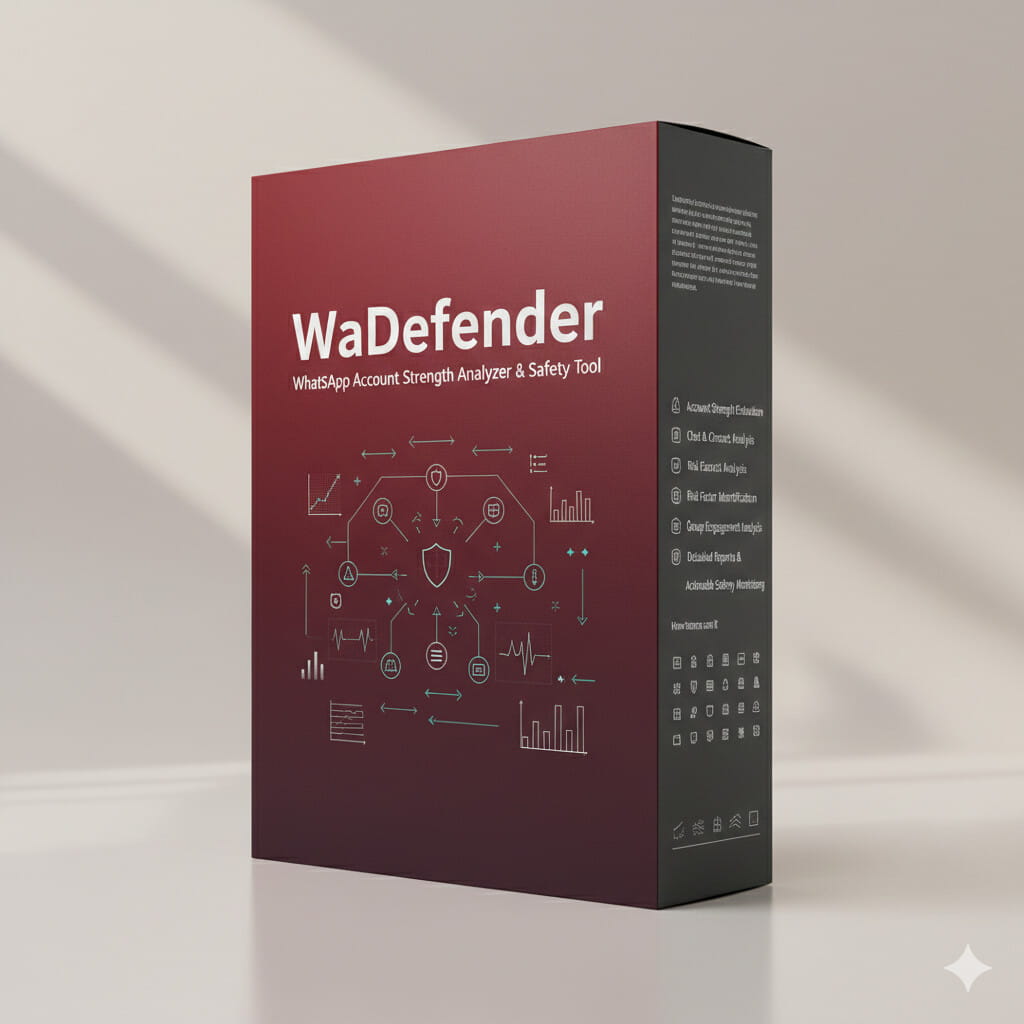
can significantly lower the risk of bans.
Final Thoughts: WhatsApp Account Banned Solution Starts With Strategy
There is no shortcut or trick that permanently fixes a WhatsApp banned account. Real recovery comes from:
- Understanding why the ban happened
- Submitting a proper WhatsApp banned appeal
- Changing your messaging behavior
- Using compliant WhatsApp marketing tools
- WhatsApp Marketing
Lead Wave WhatsApp Marketing Software with AI Chatbot & Automation
Price range: 0.00$ through 299.00$ Select options This product has multiple variants. The options may be chosen on the product page - Marketing Tools
Bulk Pilot – A Simplified WhatsApp Marketing Tool for Efficient Automation
Price range: 0.00$ through 59.00$ Select options This product has multiple variants. The options may be chosen on the product page - WhatsApp Marketing
WaDefender WhatsApp Account Strength Analyzer & Safety Software
Price range: 0.00$ through 99.00$ Select options This product has multiple variants. The options may be chosen on the product page - WhatsApp Marketing
Wasender Bulk WhatsApp Sender Software for Business Communication
Price range: 0.00$ through 199.00$ Select options This product has multiple variants. The options may be chosen on the product page - WhatsApp Marketing
BotMaster Business Bulk Sender – WhatsApp Marketing Software for Business Teams
Price range: 0.00$ through 299.00$ Select options This product has multiple variants. The options may be chosen on the product page - WhatsApp Marketing
WaCRM WhatsApp CRM Software for Sales, Marketing, and Customer Support Teams
Price range: 0.00$ through 199.00$ Select options This product has multiple variants. The options may be chosen on the product page


If WhatsApp is an important channel for your business, investing in the right tools and best practices is not optional—it’s essential.

Pingback: WhatsApp vs Telegram Marketing: Which Is Better for Business