
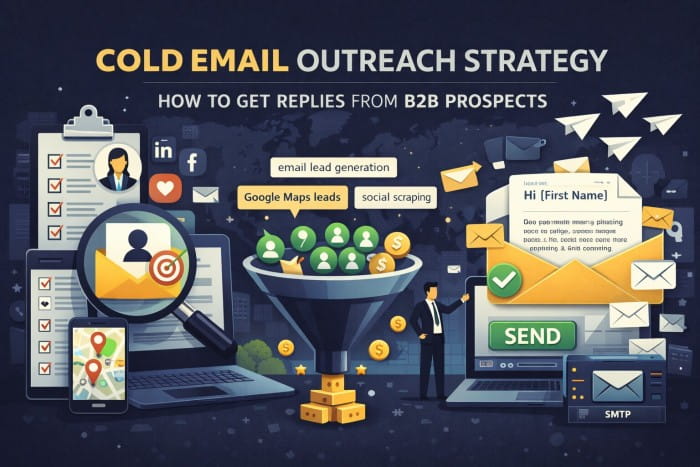
Why Most Cold Email Campaigns Fail Before the First Email Is Sent
Cold email outreach has become one of the most powerful channels for B2B lead generation. Agencies use it to find new clients. SaaS companies use it to introduce their products. Freelancers use it to reach decision-makers directly.
Yet most cold email campaigns fail.
Not because of poor writing.
Not because of weak offers.
They fail because the foundation of the outreach process is broken.
Many marketers start with the wrong assumption: that sending more emails will increase results. So they collect random contacts, upload thousands of addresses into an email tool, and launch a campaign.
What happens next is predictable.
Low reply rates.
Spam complaints.
Damaged sender reputation.
Effective cold email outreach works very differently. It starts with targeted lead discovery, then moves through structured prospect qualification, and only then begins the outreach process.
When businesses approach cold email strategically, it becomes one of the most reliable ways to generate B2B conversations.
What Cold Email Outreach Really Means
Cold email outreach is the process of contacting potential clients or partners who have not previously interacted with your business. The goal is not simply to send messages. The goal is to start a conversation with the right person at the right company.
Successful cold email campaigns focus on three pillars:
- Targeted prospect lists
- Personalized messaging
- Reliable sending infrastructure
If any one of these elements fails, the campaign struggles to produce results.
Email Deliverability & Spam Analyzer
The most successful outreach campaigns therefore focus heavily on prospect research and lead generation before sending emails.
Step 1: Finding the Right B2B Leads
Before writing a single email, businesses must identify the companies and decision-makers they want to contact.
This step is known as email lead generation, and it determines whether an outreach campaign succeeds or fails.
Many marketers rely on automated lead collection tools that help discover publicly available business contact information across multiple platforms.
For example, tools like Social Network Data Scraper – Email Extractor & Lead Generation Tool allow marketers to collect business contact data from social networks and online platforms where companies promote their services. Instead of manually searching for contact information, marketers can extract and organize relevant leads into structured outreach lists.
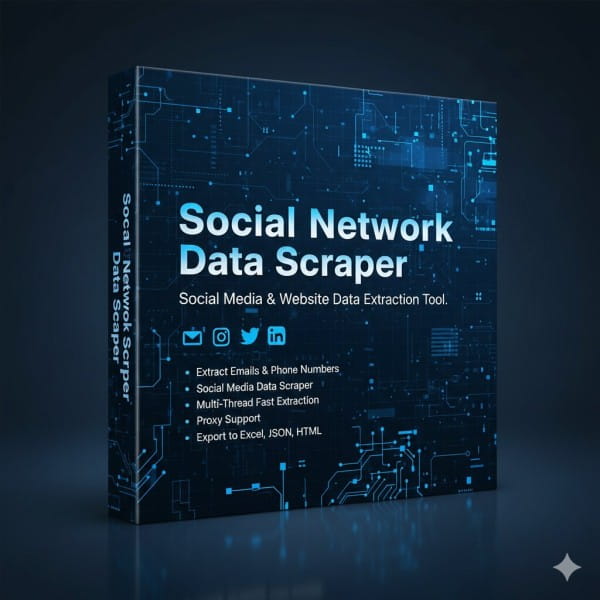
This approach allows agencies and marketing teams to build large prospect databases quickly while maintaining targeting accuracy.
A targeted lead list is the starting point of every successful cold email strategy.
Step 2: Discovering Local Business Leads with Google Maps
Many outreach campaigns focus on local businesses such as restaurants, dental clinics, law firms, or real estate agencies. These businesses are often easier to reach because their contact details are publicly available.
One of the richest sources of local business leads is Google Maps.
Marketers can search for specific business categories within a city and discover hundreds or even thousands of companies in that niche.
Manually collecting this data can take hours or days. To speed up the process, many marketers use automation tools that extract business information directly from Google Maps listings.
For example, Wasender includes a Google Map Data Extractor feature that allows marketers to collect business listings and organize them into usable prospect lists. Instead of copying information manually, businesses can quickly gather large volumes of local leads and prepare them for outreach campaigns.
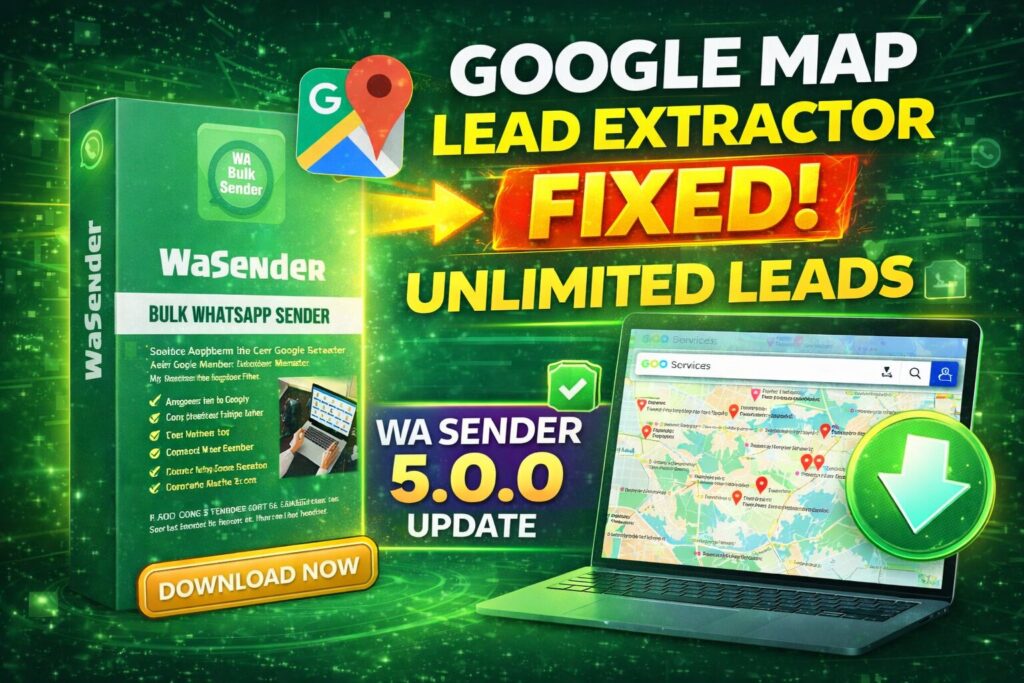
This strategy is especially effective for agencies offering services such as:
- SEO
- website development
- social media marketing
- local advertising
Once the business data is collected, marketers can begin identifying relevant contacts and preparing their outreach lists.
Step 3: Preparing Leads for Outreach Campaigns
Collecting leads is only the beginning. The next step is preparing those leads for a structured cold email campaign.
Effective marketers typically organize their leads by:
- industry
- location
- company size
- service relevance
This segmentation allows businesses to tailor outreach messages to each audience group.
Instead of sending the same generic email to everyone, marketers can create campaigns that directly address the prospect’s business needs.
Personalization dramatically improves response rates because recipients feel that the message is relevant to their situation.
Even simple personalization elements — such as referencing the company name or industry — can significantly improve engagement.
Step 4: Sending Cold Email Campaigns at Scale
Once the lead list is prepared, businesses need a reliable way to send outreach campaigns.
Cold email outreach often involves sending hundreds or thousands of emails. Sending these messages manually is not practical, which is why marketers rely on specialized bulk email software.
A tool like Atlas Bulk Email Sender allows businesses to manage large-scale email campaigns using their own SMTP servers. This type of software enables marketers to:
- send emails to large prospect lists
- manage campaign schedules
- organize contact segments
- control sending infrastructure
Because the system supports multiple SMTP configurations, businesses can scale outreach campaigns while maintaining control over deliverability.
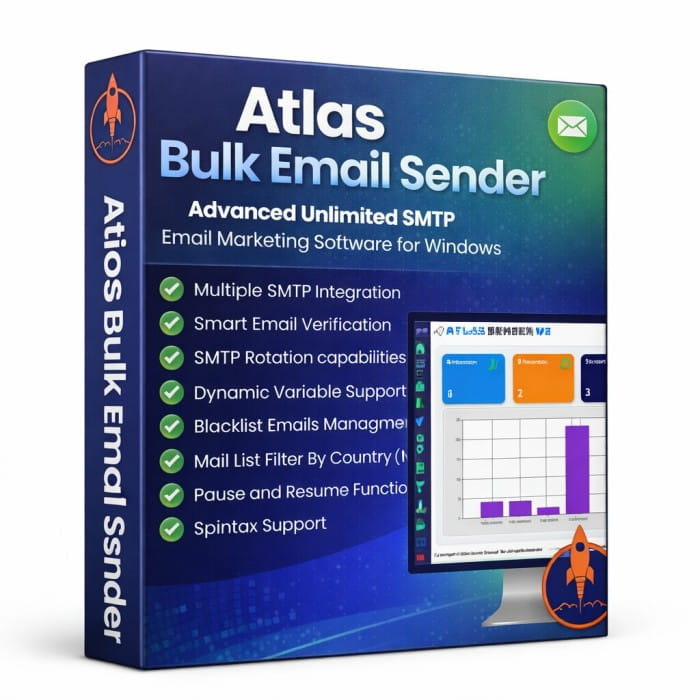
When paired with high-quality lead lists, bulk email software becomes a powerful engine for generating new conversations with potential clients.
Step 5: Writing Cold Emails That Get Replies
Even with perfect leads and sending infrastructure, cold email outreach still depends on message quality.
The best cold emails are short, direct, and focused on the prospect’s needs.
Effective outreach messages typically include:
- a personalized introduction
- a clear reason for contacting the prospect
- a short explanation of the value offered
- a simple call-to-action
Long promotional emails rarely perform well in cold outreach campaigns. Decision-makers are busy, and they prefer messages that respect their time.
In many cases, the goal of the first email is not to close a sale but simply to start a conversation.
Once the conversation begins, businesses can explore opportunities and build relationships with potential clients.
Why Lead Quality Matters More Than Sending Volume
Many beginners believe that sending more emails automatically increases success.
In reality, lead quality has a far greater impact on campaign results than sending volume.
A list of 500 highly targeted prospects can outperform a list of 10,000 random contacts.
High-quality leads create several advantages:
- higher reply rates
- better inbox placement
- stronger business opportunities
This is why experienced marketers spend far more time collecting and organizing leads than writing outreach emails.
The quality of the prospect list determines the potential success of the entire campaign.
Conversion Optimization Suite
Building a Scalable Cold Email Outreach System
Businesses that succeed with cold email outreach treat it as a repeatable system rather than a one-time campaign.
A typical outreach workflow often looks like this:
Lead discovery
→ Email extraction from social platforms
→ Local business data collection from Google Maps
→ Lead organization and segmentation
→ Cold email campaign sending
→ Reply management and follow-ups
When this system runs consistently, businesses can generate new opportunities every week without relying solely on paid advertising or inbound marketing.
By combining lead extraction tools, business data sources, and scalable email sending platforms, companies can turn cold email outreach into a reliable lead generation engine.
And in a world where direct access to decision-makers is increasingly valuable, businesses that master this system gain a significant competitive advantage.