
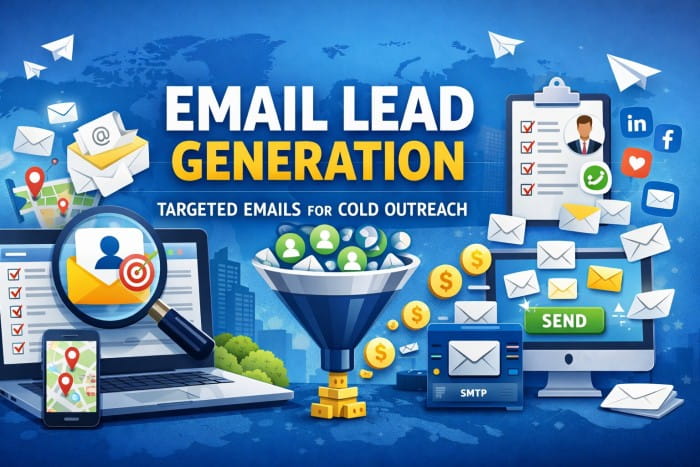
The Quiet Power Behind Every Successful Cold Email Campaign
Cold email outreach has a reputation problem. Many people think it’s just about sending thousands of messages and hoping someone replies. But experienced marketers know that success rarely depends on how many emails you send. It depends on who receives them.
Imagine two businesses launching a cold email campaign. The first company buys a random list of 10,000 contacts. The second company carefully builds a list of decision-makers who actually need their service. Both send the same email.
Only one campaign generates replies.
That difference is not the copy. It’s not the subject line. It’s the lead list.
This is why modern email marketing strategies start with email lead generation rather than sending software. Before any outreach campaign begins, businesses focus on building a targeted list of real prospects who are likely to respond.
When this step is done correctly, cold email becomes one of the most powerful lead acquisition channels available to agencies, SaaS companies, freelancers, and B2B sales teams.
What Email Lead Generation Actually Means
Email lead generation is the process of collecting verified email addresses of potential customers who match a specific market or business profile. Instead of messaging random contacts, marketers build targeted prospect lists based on industry, role, location, or business type.
This is especially important in B2B marketing where every lead represents a real opportunity.
Conversion Optimization Suite
Consider a web design agency that specializes in restaurant websites. Sending cold emails to random businesses would waste time and damage deliverability. But sending targeted emails to restaurant owners who actively promote their business online creates a completely different outcome.
Effective lead generation focuses on three qualities:
- Relevance – the prospect fits the service or product
- Accuracy – the email address belongs to a real person
- Intent – the business has a potential need
When these three factors align, cold email campaigns can generate surprisingly strong response rates.
The Most Reliable Sources for High-Quality Email Leads
Businesses today collect email leads from several reliable sources. Each source provides different advantages depending on the outreach strategy.
Business Directories and Online Listings
Business directories remain one of the most reliable places to find company information. Many businesses list their contact details publicly because they want potential customers to reach them.
Platforms such as local business directories, service marketplaces, and review sites often contain thousands of businesses organized by industry and location.
For marketers running local outreach campaigns, these directories provide a clear starting point.
Social Networks and Professional Platforms
Social networks have become powerful data sources for lead generation. Many businesses actively promote their services through social platforms, and their contact details are often publicly visible.
Manually collecting this information can be extremely time-consuming. Instead, marketers often use automation tools designed for email extraction and lead generation.
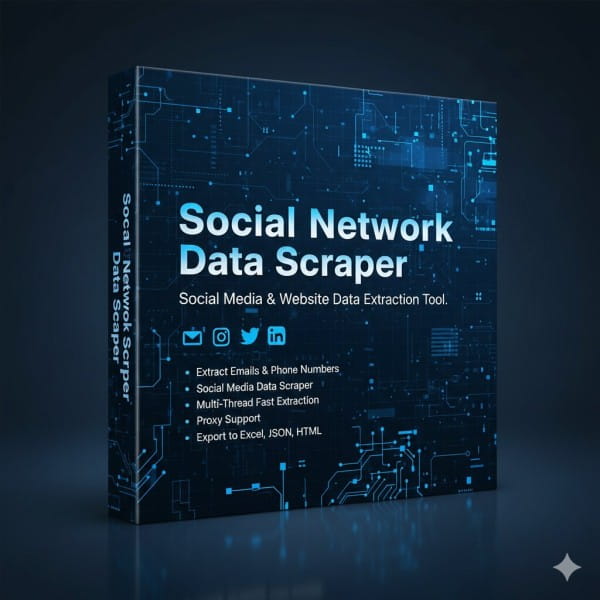
One example is the Social Network Data Scraper – Email Extractor & Lead Generation Tool, which helps marketers collect business emails from social platforms and build structured prospect lists quickly. Instead of manually searching profiles, marketers can extract relevant business contact information and organize leads for outreach campaigns.
This approach dramatically reduces the time required to build large prospect databases.
Local Business Lead Generation with Google Maps
Another highly effective but often overlooked lead source is Google Maps. Every day, thousands of local businesses update their profiles with contact information, making it one of the richest lead databases available for marketers.
For agencies targeting local businesses — such as restaurants, dentists, real estate agencies, or service providers — Google Maps offers a huge opportunity.
Marketers can search for a specific business category in a particular city and instantly see hundreds or even thousands of companies that match the target market.
However, collecting this data manually is extremely slow.
Many marketers use automation tools like Wasender’s Google Map Data Extractor feature, which helps extract business data directly from Google Maps search results. This feature allows users to gather information such as business names, contact details, and other listing data in a structured format.

When combined with email outreach strategies, this approach allows marketers to quickly build location-specific lead lists for cold email campaigns.
For example, an SEO agency could extract restaurant listings from a specific city and create a highly targeted outreach campaign offering local SEO services.
Organizing Leads Before Outreach Begins
Once businesses collect potential leads, the next step is organizing and preparing them for outreach.
This stage is critical because poorly structured lists often cause deliverability problems later in the campaign.
Before sending emails, marketers typically:
- Remove duplicate contacts
- Separate leads by industry or niche
- Add personalization data such as company name or website
- Verify email formatting and consistency
Organized lead lists allow marketers to send personalized outreach messages, which dramatically improves response rates compared to generic campaigns.
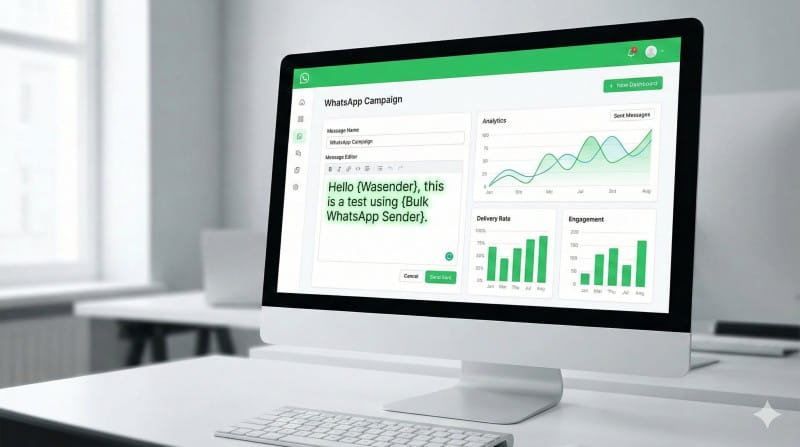
Many experienced marketers treat their lead database as a long-term asset that grows over time. Instead of building a list for a single campaign, they continuously collect new leads and expand their outreach pipeline.
Sending Cold Email Campaigns at Scale
Once a targeted lead list is prepared, businesses can begin the outreach phase. This is where bulk email infrastructure becomes important.
Cold email campaigns often involve sending hundreds or thousands of emails across multiple segments. Managing these campaigns manually is not practical, which is why marketers rely on specialized email marketing software.
Tools like Atlas Bulk Email Sender allow marketers to manage large-scale outreach campaigns efficiently. With support for unlimited SMTP configurations, businesses can send personalized email campaigns to large prospect lists while maintaining full control over sending infrastructure.
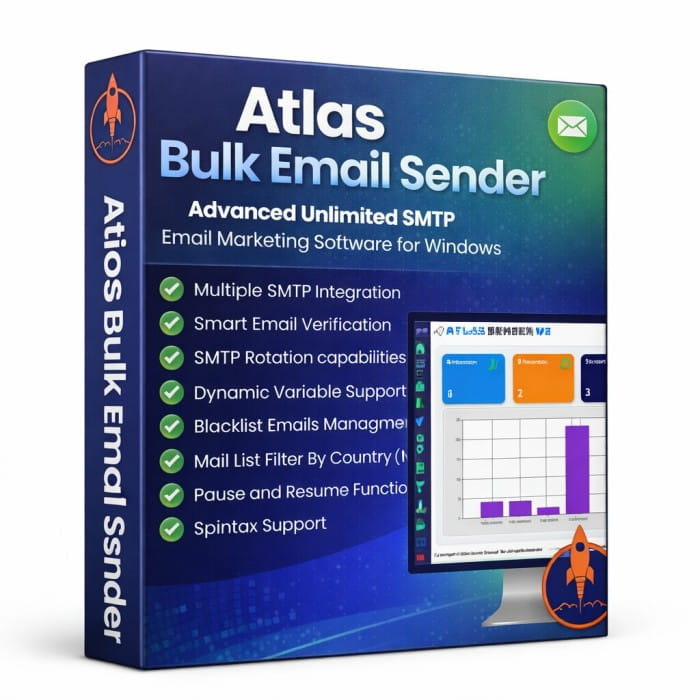
Instead of sending individual emails manually, marketers can schedule campaigns, organize recipient lists, and scale outreach efforts while maintaining consistency.
When lead generation and sending infrastructure work together, cold email becomes a predictable lead generation system rather than a random experiment.
Why Targeted Leads Always Beat Large Lists
One of the biggest mistakes new marketers make is focusing on the size of their email list instead of its relevance.
A list of 500 carefully selected prospects can easily outperform a list of 10,000 random contacts.
This happens because targeted leads create three major advantages:
- Higher reply rates
- Better email deliverability
- More meaningful business conversations
Modern cold email strategies focus on precision targeting, not mass broadcasting.
This is why lead generation tools and data extraction platforms have become such an important part of marketing workflows. By identifying the right prospects first, businesses dramatically increase the chances that their outreach will generate real opportunities.
Building a Repeatable Lead Generation System
The most successful businesses do not rely on one-time campaigns. Instead, they build a repeatable system that continuously generates new leads.
A typical workflow might look like this:
Lead discovery
→ Data extraction from social platforms
→ Local business collection from Google Maps
→ Lead list organization
→ Cold email outreach campaign
When this system runs consistently, businesses can generate new prospects every week without relying solely on paid advertising or inbound marketing.
Tools that help collect leads, organize contact data, and send outreach campaigns make this process significantly easier and more scalable.
The Future of Email Lead Generation
Despite the rise of social media and messaging apps, email remains one of the most powerful business communication channels. Every company uses email, and decision-makers still rely on it daily.
The difference today is that successful outreach depends on smart targeting and efficient lead discovery, not just sending volume.
Businesses that invest time in building high-quality lead lists gain a significant advantage over competitors who rely on generic marketing blasts.
By combining lead extraction tools, targeted prospect research, and scalable email sending platforms, companies can turn cold email into a predictable channel for generating conversations, partnerships, and new clients.
And as competition grows in digital marketing, the businesses that master this system will continue to outperform those that rely on outdated outreach strategies.